Gulf war oil spills test the war exemption in tanker pollution cover
The IOPC Funds told Reuters in August it had no role in one Oman tanker clean-up because the incident was an act of war.
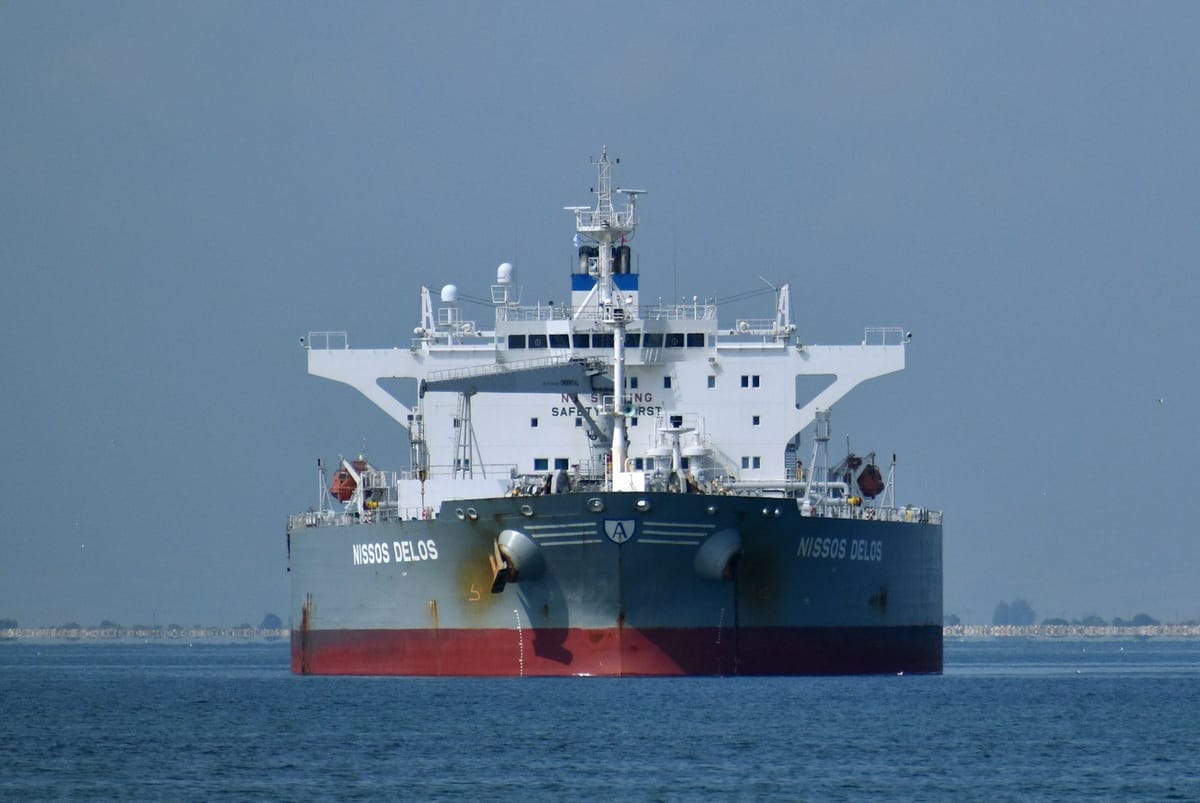
- Greenpeace says satellite monitoring has found more than 500 instances of oil spills in the Gulf, the Strait of Hormuz and the Arabian Sea since the war began on 28 February, the Guardian reported.
- The 1992 Civil Liability Convention and the 1992 Fund Convention both exclude pollution damage that the owner or the Fund proves resulted from an act of war.
- Bahrain, Iran, Oman, Qatar and the UAE are all members of the 1992 Fund, according to the IOPC Funds.
Greenpeace has identified more than 500 instances of oil spills through satellite monitoring across the Gulf, the Strait of Hormuz and the Arabian Sea since the war began on 28 February, the Guardian reported on 12 November. The two treaties that normally compensate for tanker spills both exclude damage caused by war.
Under the 1992 Civil Liability Convention, which lets claimants go directly against a tanker owner's insurer, "no liability for pollution damage shall attach to the owner if he proves that the damage" resulted "from an act of war, hostilities, civil war, insurrection", according to the convention text published by the IOPC Funds. The 1992 Fund Convention, which pays where the owner's liability cover is inadequate, says the Fund "shall incur no obligation" if it proves the damage "resulted from an act of war, hostilities, civil war or insurrection".
The Fund has already relied on that wording this year. The IOPC Funds told Reuters in August that it had no role in paying for the response to the Caroline Bezengi, a sanctioned tanker that ran aground off Oman after a suspected limpet mine blast off Yemen, because the incident was an "act of war", Maritime Executive reported.
Membership is not the gap. Bahrain, Iran, Oman, Qatar and the United Arab Emirates are all listed as states party to both the 1992 Civil Liability Convention and the 1992 Fund Convention, according to the IOPC Funds.
The war exemption shifts the question to war cover. Standard P&I cover from International Group clubs excludes war risks, Skuld said in a February circular. The clubs' excess war P&I cover pays only above the ship's own war P&I policies, subject to a minimum excess of the vessel's proper value or $500m, whichever is less, with a limit of $500m outside defined Russian, Ukrainian and Belarusian waters.
CoverWire's reading of the texts is that, where war causation is proved, neither treaty pays, leaving clean-up costs with coastal states and others who incurred them unless another policy responds. The burden of proof sits with the owner or the Fund, so not every spill in the region will necessarily fall outside the regime.
Among the October attacks, a strike on the supertanker Gem No 2 off the UAE left a slick more than 35km long, the Guardian reported. It said Iran's Islamic Revolutionary Guard Corps has been blamed for most of the attacks, and that US forces have also targeted tankers. UAE authorities said on 30 October that the Gem No 2 leak had been stopped and pollution was declining.
Related coverage: France blames Iran's Revolutionary Guards for supermarket fridge hacks.
Sources
- The Guardian: Oil slicks seen from space (12 November 2026)
- IOPC Funds: Liability and Compensation for Oil Pollution Damage, Texts of Conventions
- IOPC Funds: membership A to Z listing
- Maritime Executive: Spill from grounded tanker begins to reach Oman's shores (12 August 2026)
- Skuld: War Risks P&I Excess cover and Bio-Chem cover for the 2026/27 policy year (February 2026)
CoverWire is a news and information service. Nothing here is investment advice.
Free briefing
The CoverWire briefing
Get the day's UK insurance news by email at 08:30 every weekday. It's free, and you can unsubscribe at any time.